
Skin bleaching, sometimes referred to as skin lightening or whitening, or surgical skin bleaching, is a cosmetic practice that involves the inhibition of melanin production in order to lighten one’s skin. Individuals seek this process for at least one of the many reasons: to acquire an even skin tone, for treatment against hyperpigmentation, or to adhere to societal standards of beauty that would make lighter-colored skin more acceptable. Although the process can be conducted differently, it is essential to determine what it involves, the techniques involved, and the risks associated with it. This article provides a general overview of skin bleaching procedures and the things potential patients should know before going for such procedures.
Reasons for Skin Bleaching
Cultural, social, and psychological reasons may explain the reasons for skin bleaching. Light skin has been associated with beauty, social status, and success in many societies. This may probably be a reason why cultural bias for light skin makes people look towards skin bleaching to enhance their appearance and improve self-confidence. The common reasons for skin bleaching include the following:
Hyperpigmentation
Melasma, age spots, and post-inflammatory hyperpigmentation, which usually follow acne, may all cause uneven skin tone and become a motive for seeking lighter skin.
Sun Damage
The skin darkens due to prolonged sun exposure, which encourages some people to resort to bleaching to restore a lighter skin tone.
Cosmetic Reasons
Many people want to look a certain way. This might be due to the stigmatization by the media, where lighter skin is portrayed as the ideal.
Methods of Skin Bleaching
There are a number of ways in which skin bleaching may be done, ranging from topical creams to more invasive procedures. Some of the most common techniques applied include:
Topical Creams and Lotions
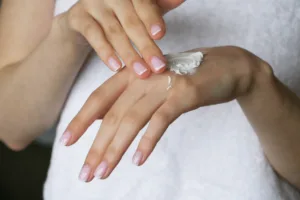
Topical skin bleaching products are widely available and tend to be the first choice of many in their effort to lighten their skin. Inhibiting melanin production, such products usually come with active ingredients. Though effective, these creams require consistent application for a rather long period of time to be effective.
Chemical Peels
Chemical peels are applied to the skin, where the action of the applied chemical solution causes the outer layer to eventually exfoliate and peel, often revealing new, lighter skin beneath. The strength of chemical peels may vary from superficial peels, which affect essentially only the epithelial layer of skin, to deep peels, with greater penetration into the dermal layer.
Superficial Peels
These are made of mild acids, such as glycolic acid, that exfoliate the skin. Usually, they are safe, and less or no downtime is required.
Medium to Deep Peels
These use the application of stronger acids or phenol through deeper layers of skin. While these peels can give more astonishing results, they run a greater risk of side effects, which include scarring and lingering redness.
Chemical peels are usually performed by dermatologists or licensed skincare professionals, and several sessions are typically necessary for best results.
Laser Treatments
Laser skin lightening is one of the more advanced approaches. It utilizes focused light that breaks down melanin within the skin. Laser treatments may be effective, but they are generally more expensive than other methods and need to be carried out by a qualified professional.
Intimate Lightening
In addition to general skin lightening treatments, Dr. Ghozland offers intimate lightening services for sensitive areas like the underarms, bikini area, and other regions where pigmentation may cause discomfort or self-consciousness. Using gentle yet effective methods, this treatment can help achieve a more even skin tone, improve confidence, and meet aesthetic goals in these delicate areas.
Dr. Ghozland ensures a safe and comfortable experience, providing personalized care and tailored treatment plans for each patient.
Risks and Side Effects of Skin Lightening
While bleaching the skin gives the desired results, one must be quite aware of the possible risks and side effects associated with different types of procedures. Here are a few of them:
Skin Irritation
Application of topical creams may cause redness, itching, and irritation in the skin, especially on sensitive skin types. The use of an all-natural cream or lotion, instead of one loaded with chemicals, can actually be better for the skin, and can even make skin look and feel better than it had before treatment.
Irregular Skin Pigmentation
Improper application or usage of skin bleaching products results in blotchy skin and unnatural skin hue.
Increased Sensitivity
Chemical peels and laser treatments may leave your skin more sensitive, thus increasing the risk of sunburn and damage.
Long-term Damage
Long-term usage of some bleaching agents, especially hydroquinone or mercury-containing agents, can lead to permanent damage to the skin, characterized by discoloration and scarring.
See if Skin Bleaching is Right For You
If you are interested in learning more about skin bleaching and intimate lightening, call the office of Dr. Ghozland today at 310-393-9359 and we will be happy to help!